Deep Cleaning for San Antonio Allergies
How HEPA-filter vacuums, microfiber capture, and surface protocols address cedar pollen and limestone dust driving allergies.
Published May 9, 2026
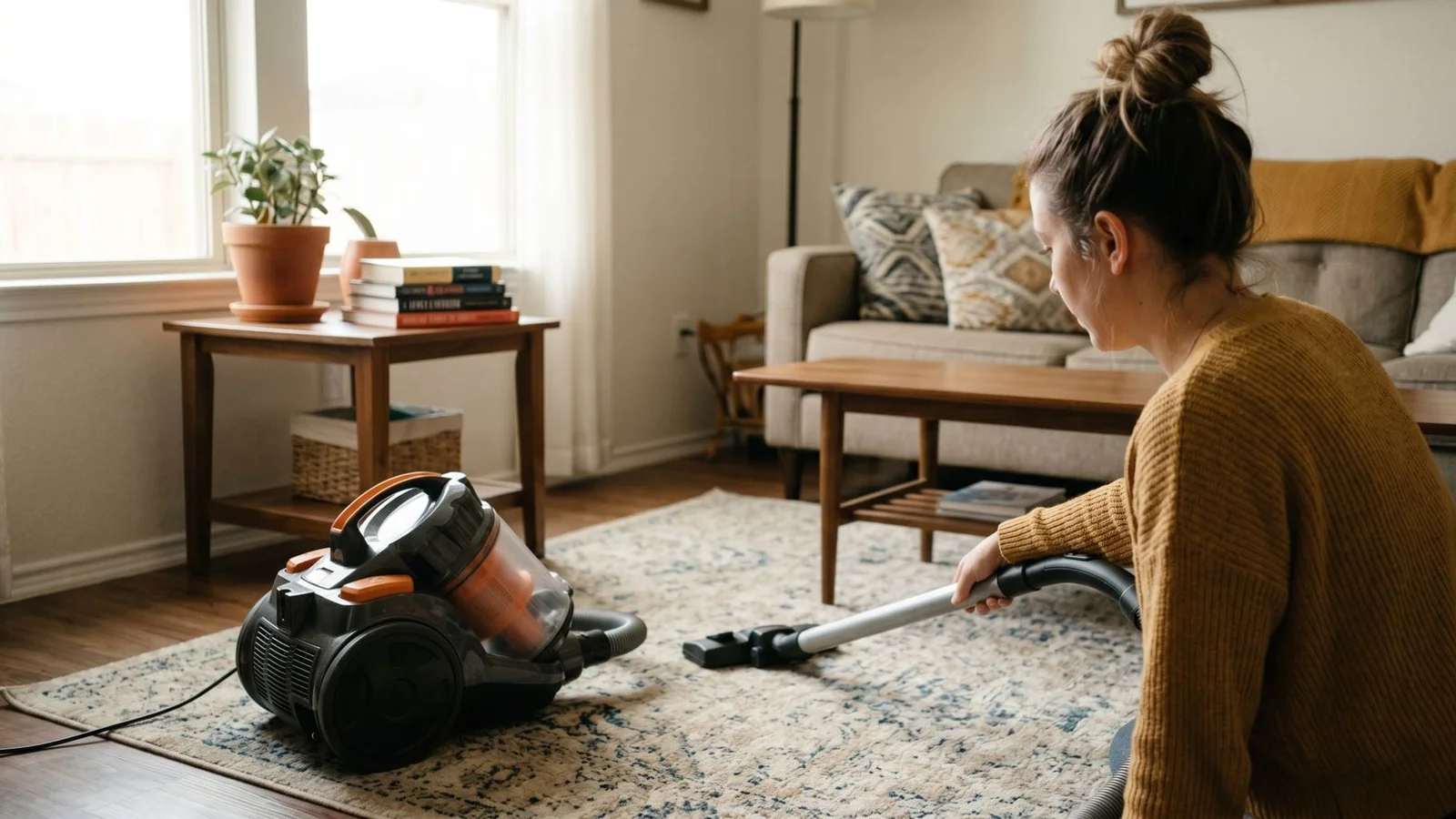
San Antonio has two environmental triggers that turn an unremarkable cleaning into a major allergy-management problem. We consistently see cedar pollen during the winter plume and limestone dust year-round creating massive headaches for local homeowners.
The Asthma and Allergy Foundation of America’s 2026 report just ranked San Antonio as the third worst city in the United States for seasonal allergies. When addressing deep cleaning allergies, San Antonio residents need targeted solutions that actually remove these microscopic particles using specialized tools.
Our professional service provides exactly that. Standard cleaning equipment simply moves dust from one surface to another.
This guide will walk you through the exact techniques needed to breathe easier.
This guide expands on what we cover in our full deep cleaning service; use it as the deep-dive companion to that page.
Cedar fever season
Cedar pollen is released by the Ashe Juniper trees in the Texas Hill Country and blown across San Antonio in massive concentrations. We track these numbers closely because the plume runs aggressively from December to late February. In early January 2026, local news reported an extreme surge reaching 12,500 grains per cubic meter.
Counts above 1,500 are considered extremely high by most national standards. Our crews notice a direct correlation between these high counts and the visible yellow film coating indoor surfaces. Indoor exposure is exactly what a targeted cleaning routine addresses.
Cedar pollen enters your home through several common pathways.
- Open doors and windows during mild winter days.
- Foot traffic carrying sticky pollen directly on shoes.
- Pet fur that goes outside and brings the outdoors back in.
- HVAC return air during heavy pollen stretches.
- Clothing brought into bedrooms after time outside.
Once inside, cedar pollen settles on every horizontal surface in the house. We find it heavily concentrated on carpets, area rugs, soft furniture, drapes, baseboards, and ceiling fan blades. Standard vacuuming with a non-HEPA filter just recirculates this pollen straight through the exhaust.
Our preferred method captures the dust entirely. Ordinary dusting with cotton or paper merely pushes it into the air to settle again later.
What cleaning actually fixes
The Power of True HEPA Filtration
A deep clean targeted at allergy management focuses on the surfaces that hold pollen and the techniques that capture it. We heavily rely on HEPA equipment to physically trap these irritants rather than redistribute them. True HEPA filters capture 99.97 percent of particles as small as 0.3 microns.
Cedar pollen ranges from 10 to 100 microns in size. Our HEPA vacuums make multiple passes over carpets and upholstery to pull this pollen out permanently. The exhaust on this specialized equipment catches sub-micron particles instead of blowing them back into your breathing space.
Specialized Surface Techniques
Microfiber wipe-downs are essential for hard surfaces. We do a dry pass first to capture loose pollen electrostatically. A damp pass immediately follows to remove whatever remains bonded to the surface.
Soft goods require dedicated attention. Our technicians perform specific HEPA upholstery passes on every single one of these items. Drapes, upholstered headboards, decorative pillows, and area rugs hold significantly more allergen than people realize.
HVAC and Bedroom Focus
Vents and HVAC returns act as magnets for airborne debris. We carefully pull the covers to vacuum out the accumulated cedar season particles. Wiping the grilles and reminding clients to replace their filters makes a huge difference.
You spend a massive portion of your life in the bedroom with your face inches from soft surfaces. Our allergen-management cleaning always gives the bedroom extra time and attention to ensure maximum relief. Clean air in this room is vital for proper sleep.
Limestone dust and Hill Country specifics
A limestone dust home issue serves as the constant, year-round companion to cedar season. We see heavy accumulations driven by wind picking up fine particles from local aggregate quarries and road construction. Facilities like the large Vulcan Materials plant on the Loop 1604 corridor generate immense amounts of this dust.
This material blows across Boerne, Stone Oak, and central Bexar County daily. Our clients often complain about a gritty residue coating their homes just days after cleaning. This dust actually contains respirable crystalline silica, which is classified as PM 2.5.
| Threat | Peak Season | Particle Size | Primary Source |
|---|---|---|---|
| Cedar Pollen | December to February | 10 to 100 Microns | Ashe Juniper Trees |
| Limestone Dust | Year-Round | PM 2.5 to PM 10 | Local Rock Quarries |
Particles this small are notorious for causing respiratory irritation. We emphasize that limestone dust is much harder to spot than yellow cedar pollen because it perfectly matches the color of most household surfaces. The diagnostic test is entirely based on feel.
Run a finger along a baseboard or the top of a kitchen cabinet a week after cleaning, and you will feel that gritty fine layer. Our teams use strict HEPA vacuuming and microfiber capture to extract the silica dust safely. The correct cleaning approach is identical to pollen removal.
Standard equipment just recirculates these fine particles back into the air.
What deep cleaning does NOT fix
Realistic expectations truly matter for allergy management. We want you to understand that deep cleaning only addresses the indoor allergen load. It does not eliminate your outdoor exposure entirely.
To achieve the absolute strongest combined effect, you must pair professional cleaning with proactive daily habits. Our most successful clients implement a few specific upgrades around the house.
- MERV 13 HVAC filters changed strictly every 90 days.
- HEPA air purifiers running continuously in bedrooms to catch airborne remnants.
- Pet-management protocols requiring you to wipe pet paws after outdoor time and restrict animals from bedrooms.
- Seasonal pollen routines like taking shoes off at the door and changing clothes immediately after outdoor activities.
Deep cleaning acts as the foundation of your defense strategy. We know that combining our service with the lifestyle pairings above will multiply the final effect. These simple habits create a compounding benefit for your health.
Cadence for allergy households
Timing your cedar fever cleaning is crucial for maximum relief. We recommend a very specific schedule for households where cedar fever presents a serious medical issue.
- Late February: Annual reset deep clean to remove the winter accumulation.
- April or May: Recurring biweekly standard cleaning begins or continues.
- August or September: Refresh deep clean to prepare for fall allergens.
- November: Pre-cedar deep clean to ensure a completely clean slate before the plume hits.
Pet households and families with severe sensitivity require a slightly more aggressive approach. We highly suggest they go quarterly on deep cleaning plus weekly recurring service.
Carpet and upholstery as part of allergy cleaning
Carpets and upholstered furniture function as the largest allergen reservoirs in most homes. We constantly find these fibers holding dense layers of dust mites, pet dander, pollen, and limestone particles. These irritants embed themselves far deeper than any dry vacuum can fully reach.
For residents dealing with severe sensitivity, targeted wet extraction is necessary. Our crews provide an annual or biannual carpet and upholstery cleaning to pull out what regular vacuuming misses. Hot water extraction paired with specialized filtration equipment provides the strongest combined approach.
We have seen this method completely transform the air quality in heavily carpeted living spaces. For specific challenges involving cats or dogs, additional steps are required. Our staff highly recommends reviewing the pet-owner deep cleaning guide for specific advice.
Booking allergy-focused service
Taking control of your indoor air quality starts with a simple conversation. We just need you to mention that a San Antonio allergy cleaning is your primary goal during the quoting process.
This allows the team to adjust the project scope appropriately. Our cleaning plans will automatically put extra time on soft goods, vents, and critical bedroom details.
Ready to breathe easier in your own home? Get a quote in 60 seconds and let the professionals handle the heavy lifting.
Related service
Need Deep Clean in San Antonio?
Top-to-bottom deep cleaning that targets baseboards, blinds, interior windows, kitchen grease, and the hard-to-reach buildup a regular visit cannot reach.