How Often Should Carpets and Upholstery Be Cleaned?
Cadence (12–18 months baseline) and adjustments for high traffic, pets, kids, allergies. Manufacturer warranty considerations.
Published May 9, 2026
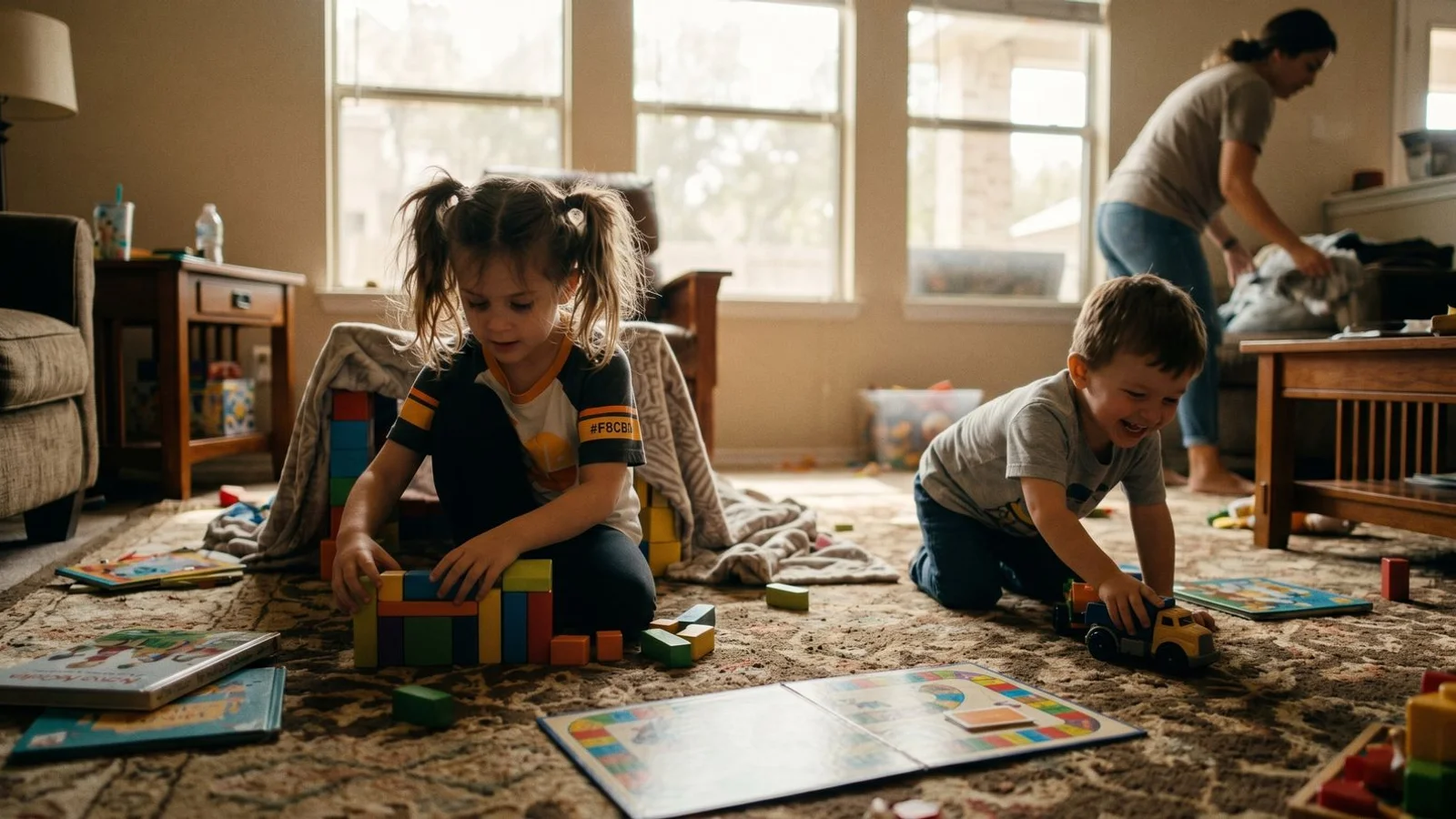
As the team at San Antonio Maid Services, we often hear clients ask how often should carpets be cleaned to protect their property. The right carpet cleaning cadence depends heavily on your daily foot traffic, indoor pets, and specific allergy needs.
A baseline most San Antonio households should plan around is 12 to 18 months. That means scheduling an annual carpet cleaning or bringing a professional in twice a year.
Heavier conditions push that schedule closer to quarterly.
Waiting until stains appear is a common mistake that allows gritty soil to shred the yarn fibers. Our goal is to break down exactly what schedule works best for your home.
Let us look at the data, what it actually tells us, and how to plan your maintenance schedule.
This guide expands on what we cover in our full carpet and upholstery cleaning service; use it as the deep-dive companion to that page.
Baseline cadence: every 12 to 18 months
The standard rule for a typical San Antonio household is a professional clean every 12 to 18 months. This schedule works perfectly for homes with light to moderate traffic and no indoor pets.
We follow the Institute of Inspection, Cleaning and Restoration Certification (IICRC) guidelines for these intervals. Their 2025 residential standards confirm that routine extractions prevent microscopic soil from destroying carpet fibers over time.
”Professionally cleaned carpets can last up to twice as long as those cleaned by homeowners, thereby extending their lifespan.” - IICRC 2025 Guidelines
An 18-month interval makes sense if you vacuum frequently and maintain a minimal soil load.
Routine vacuuming between visits is absolutely mandatory to maintain this baseline. Without weekly vacuuming, your required carpet cleaning frequency goes up significantly.
Our teams rely on regular maintenance as the easiest way to avoid a costly, premature replacement. Following this baseline schedule keeps your warranty intact and your air clean.
Adjustments by household type
Your specific living situation will dictate exactly how often you need to schedule service. High-traffic homes and households with pets require much more frequent attention to prevent severe damage.
We constantly adjust these timelines based on what our technicians find during the initial inspection. The Environmental Protection Agency (EPA) notes that indoor air can be two to five times more polluted than outdoor air.
Carpets act like giant filters trapping those dangerous pollutants.
Here is a quick breakdown of exactly when you should schedule your next service:
| Household Profile | Recommended Frequency | Key Reason |
|---|---|---|
| High-Traffic (Kids & Guests) | Every 6 to 9 months | Soil load builds much faster than the baseline. |
| Pet Owners (1+ Pets) | Every 3 to 6 months | Dander and accidents contaminate the pad layer. |
| Allergy-Sensitive | Every 6 months | Traps dust mites and pollens triggering symptoms. |
| Indoor Smokers | Every 3 to 6 months | Tobacco residue releases continuously into the air. |
| Work-From-Home Offices | Every 9 to 12 months | Chair wheels accelerate wear patterns daily. |
The American Academy of Allergy, Asthma & Immunology (AAAAI) reports that over 28 million Americans suffer from asthma. For those individuals, dirty carpets serve as the largest allergen reservoir in the home.
Semi-annual extraction combined with HEPA vacuuming provides the strongest defense.
Our experience shows that empty-nest homes with low traffic can safely stretch their interval to 18 to 24 months. Light usage naturally extends the lifespan of the clean.
Signs you need cleaning now (regardless of last visit)
Sometimes your floors will tell you they need immediate help regardless of the calendar. Visible traffic patterns, like darkened walkway lanes, are an immediate red flag.
We always advise clients to check their home environment for subtle clues. If you notice a musty pet odor during humid weather, contamination has likely reached the backing layer.
Watch for these urgent signs that a deep clean is overdue:
- Spot stains: Coffee, wine, and food spills that did not lift fully with basic blotting.
- Visible dust clouds: Particles floating in the air when sunlight hits the floor.
- Worsening indoor allergies: Symptoms that feel noticeably worse inside than outdoors.
- Post-illness recovery: Removing viral or bacterial remnants after a household sickness.
- Post-renovation dust: Fine drywall particles that embed deeply into the fibers.
- Real estate prep: A mandatory step before taking pre-listing photos.
A quick test is to wipe a clean white cloth over your baseboards near the carpet. Heavy, dark dust accumulation there means the carpet filter is completely full.
Our team recommends booking a service four to six weeks before major holiday hosting. Proactive scheduling eliminates the stress of last-minute preparations.
Manufacturer warranty considerations
Skipping routine maintenance can instantly void your expensive flooring warranty. Many major manufacturers mandate documented professional cleanings every 12 to 18 months to keep their guarantees active.
We frequently remind property owners to save their itemized service receipts. Brands like Shaw Floors, for their popular Pet Perfect line, specifically require hot water extraction performed by certified professionals.
Dry cleaning or DIY shampooing will not satisfy these strict corporate requirements.
Always check your specific warranty documents before declining a recommended service. The long-term cost-benefit clearly favors annual cleaning regardless of the visible surface condition.
Here are the three things you must keep for warranty claims:
- Original purchase receipt for the flooring.
- Itemized professional cleaning receipts.
- A small uninstalled remnant of the original carpet.
Our technicians use the exact hot water extraction methods these manufacturers demand. Following these rules protects your investment and ensures any future claims are honored.
Spot cleaning between professional visits
Handling minor spills correctly between professional visits will significantly extend your cleaning interval. Fast action stops a temporary accident from becoming a permanent stain.
We highly recommend keeping a dedicated spotting kit under your kitchen sink. For fresh liquid spills, grab a plain white absorbent cloth and press straight down.
Handling Fresh Spills
Never rub or scrub a fresh spill, as friction destroys the yarn twist. Follow these steps for standard food and drink accidents:
- Blot the area heavily with a white towel.
- Apply a dedicated spot cleaner like Folex, or use plain cold water.
- Continue blotting until you see zero color transfer onto your cloth.
- Place a heavy book on top of a dry towel over the damp spot to absorb residual moisture.
Treating Pet Accidents
Pet urine requires a completely different chemical approach to neutralize the uric acid. Standard household sprays will only mask the smell temporarily.
Our experts always reach for a high-quality biological formula. Here is the safest method for pet messes:
- Press paper towels into the spot to absorb all standing liquid.
- Saturate the area with an enzyme cleaner like Rocco & Roxie or Nature’s Miracle.
- Let the product dwell for the exact time listed on the bottle instructions.
- Blot the area dry and allow it to air out completely.
Do-it-yourself spot cleaning is highly effective for immediate, fresh spills. Set stains or mystery spots usually require a professional heat and extraction treatment.
Upholstery cleaning frequency
Your fabric furniture acts as a secondary air filter and requires its own dedicated maintenance plan. Establishing a consistent upholstery cleaning schedule prevents body oils from degrading the textile fibers.
We find that most homeowners completely forget about their mattresses and headboards. The average adult sheds roughly 1.5 grams of skin cells every single day.
Dust mites thrive on this invisible debris deep inside your mattress layers.
To maintain a healthy environment, follow this general timeline for your fabric items:
- Primary Living Room Couch: Schedule an annual deep clean to remove sweat and food oils.
- Fabric Dining Chairs: Treat these every 18 to 24 months, or immediately after a major food spill.
- Upholstered Headboards: Vacuum monthly and extract every 18 to 24 months.
- Mattresses: Sanitize every 12 to 18 months to manage dust mite populations.
- Heavy Drapes: Steam clean every 24 months to remove airborne household dust.
Our scheduling team usually bundles upholstery work into the same visit as your floor service. This simple combination saves you a significant amount on trip charges and setup fees.
Seasonal timing in San Antonio
Timing your service correctly provides massive relief for allergy sufferers in Central Texas. Two specific seasonal windows matter most for local households.
We highly recommend planning your maintenance around these natural pollen cycles:
- Late February (Post-Cedar Fever): Mountain cedar pollen, specifically from Ashe Juniper trees, peaks heavily from December through February. By late February, your floors hold an immense volume of this highly reactive allergen.
- October (Pre-Holiday): This timing targets the end of the fall ragweed season. It also ensures your floors are pristine before Thanksgiving and winter guests arrive.
Booking early is essential, as these calendar slots fill up four to six weeks in advance. Professional extraction makes an immediate, measurable difference in your daily comfort.
Our recurring annual customers always receive priority scheduling during the busy fall season. Securing your spot early guarantees a clean home for the holidays.
Bundle pricing
Smart homeowners and busy renters frequently combine their floor care with other essential property maintenance. Coordinating these jobs on the same day dramatically reduces disruptions to your busy schedule.
We strongly suggest bundling services to maximize your budget. Combining tasks typically saves you 10 to 15 percent compared to booking completely separate visits.
Carpet extraction pairs beautifully with these popular options:
- Deep cleaning: A same-visit add-on that creates a perfectly fresh baseline for heavy pet households.
- Move-out cleaning: A strict requirement in many standard apartment leases to secure your full deposit.
- Post-construction cleaning: The only reliable way to safely pull fine, abrasive drywall dust from thick floor fibers.
Reviewing the technical differences between steam, low-moisture, and encapsulation is easy; just see our guide on carpet cleaning methods explained. For targeted advice on severe biological stains, see the details in pet stain and odor removal from carpets.
Our staff is ready to help you set up an annual, biannual, or one-time service plan today. Get a carpet cleaning quote to secure your spot on the calendar and protect your home.
Related service
Need Carpet & Upholstery in San Antonio?
Steam, low-moisture, and encapsulation methods for carpets, rugs, and fabric furniture. Stain removal and pet-odor treatment that actually lasts.